
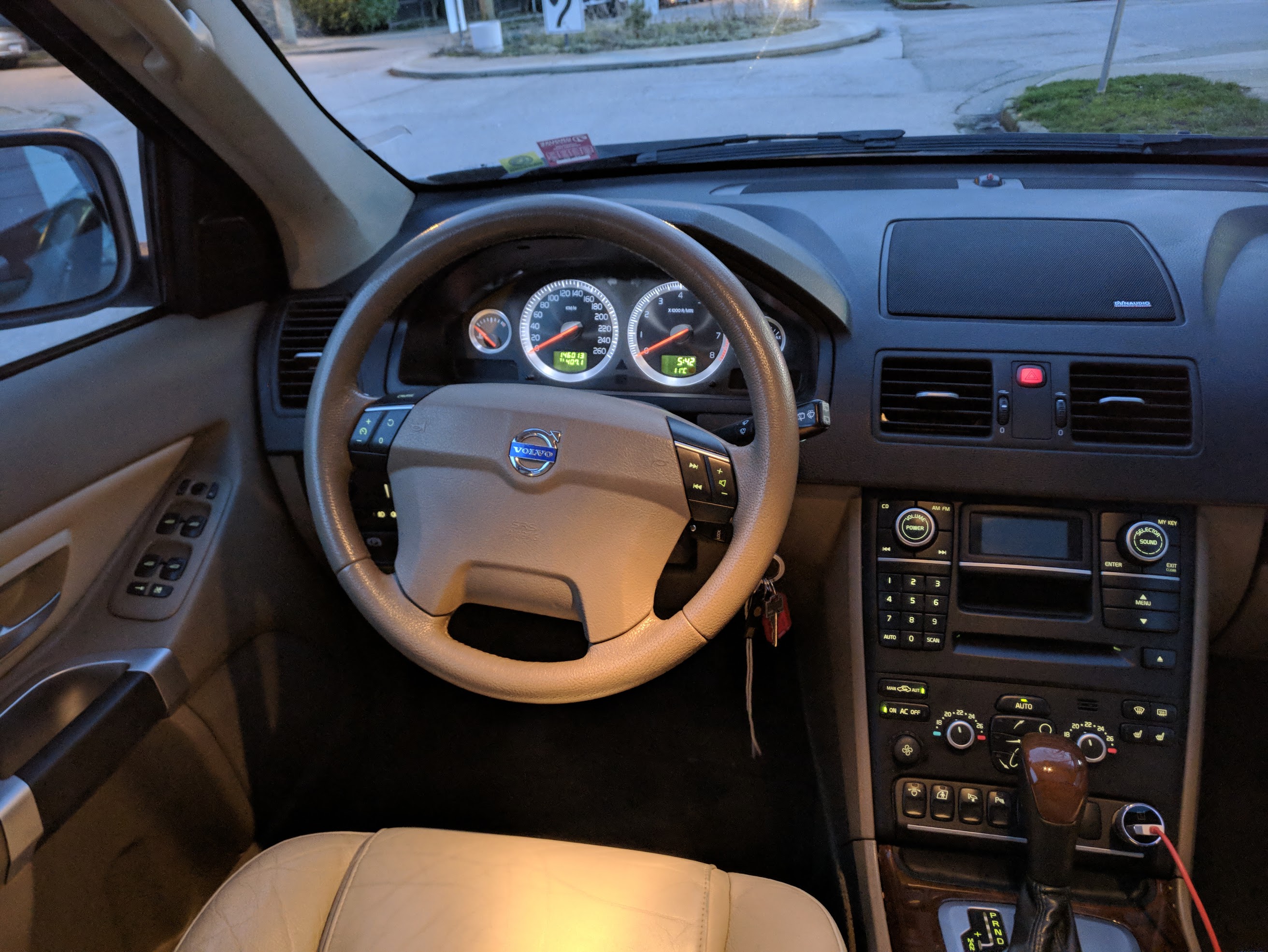
Once we'd chosen a car, we discovered the fun had only just begun.
This story follows on from Buying a Car, Part 1
Paying for big things in Canada is a little different from what we're used to in New Zealand. When I bought my last car, I just bank transferred the money from my account to the dealer's, signed a bit of paper and off I went. Not so in Canada.
I started writing about how to pay for big things, but it got too long, so I've spun it off into another article: Canadian Banking Concepts
Ultimately the guy we were buying the car from was leaving the country in a few days time, so didn't have time to wait around for a bank draft or an e-Transfer to clear. The only way to guarantee he'd have the money in his pocket when he left Canada was to put it into his hand physically. Walking out of the bank onto Granville St with many thousands of dollars of cash in my backpack was more than a little scary!
Once the money changed hands, we headed off to the closest ICBC broker to continue the process.
ICBC (the Insurance Corporation of British Columbia) has a government mandated monopoly on vehicle insurance in BC. Third party liability insurance is a requirement here, so it's been mixed in with the car registration process. While this makes it easy to get everything done with one company, at one place, at one time, it also removes any competition. So while ICBC is government controlled and many think they should be trusted to keep it affordable, it's still the most expensive auto insurance in Canada.
Once we got to ICBC, the process was as follows:
- Record the sale of the vehicle and pay sales tax
- I should have realised this was going to happen, but it had somehow been missed in my research. This was painful, as we'd budgeted and compared prices on this car against dealer prices who included tax. Sales tax here is 12% total (Canadian GST plus BC provincial tax), so added a significant whack to the price.
- I think it's likely that a lot of private vehicle sales have substantial discrepancies between the recorded sale price and the amount of money exchanged. No proof was required for the sale price, just the word of the seller.
- Buy insurance
- As stated before, third party liability is compulsory. You do, however, have the choice as to how much insurance you want. We chose $5,000,000 of liability cover, plus comprehensive insurance with a $500 deductible. These were both mid-range options, we could have gone up to $10million liability, and down to $50 deductible, but these increased the premium substantially.
- Issue new plates
- License plates in BC (maybe all Canada?) are linked to your car and insurance. When the vehicle changes hands, you get new plates! The previous owner gets his insurance refunded from the date that he hands in his old plates.
- Set up a direct debit for monthly insurance payments
- It was cheapest, in the long run, to commit to a year's worth of insurance, and then pay monthly by direct debit.
Our insurance premium is currently a lot higher than it should be, due to us not having any driving history here in Canada. We can gain up to a 40% discount by providing a history of no claims from our New Zealand insurance companies. Luckily, we have six months to do this, and they'll refund the difference back to the beginning of the policy!
So now, everything's finished, and we're officially car owners!